Paint Protection Film Warranty Explained: What Calgary Drivers Should Know
Understanding PPF Warranties in Calgary with MY Auto YYC
Paint protection film (PPF) has become one of the most trusted ways to protect a vehicle’s paint from rock chips, road debris, and daily wear. In Calgary, where vehicles regularly face winter sanding, and dramatic temperature swings, PPF can be a valuable long-term investment. But when drivers start researching paint protection film, one question often comes up quickly: What does the warranty actually cover?
Many people assume that a PPF warranty simply guarantees the film will last for a certain number of years. In reality, warranties work a little differently. There are usually two layers of protection involved: the manufacturer’s warranty for the film itself and the installer’s warranty for the installation work.
Understanding how both warranties work can help Calgary drivers make smarter decisions when choosing paint protection film and ensure they know what to expect years down the road.
Why Paint Protection Film Matters in Calgary
Before diving into warranties, it helps to understand why paint protection film is so common in Calgary.
Local driving conditions are tough on vehicle paint. Winter roads are often treated with rock chips for traction, which increases the risk of scratches and chipped paint. Temperature changes between seasons can also cause materials to expand and contract. In summer, strong UV exposure can fade or damage paint over time.
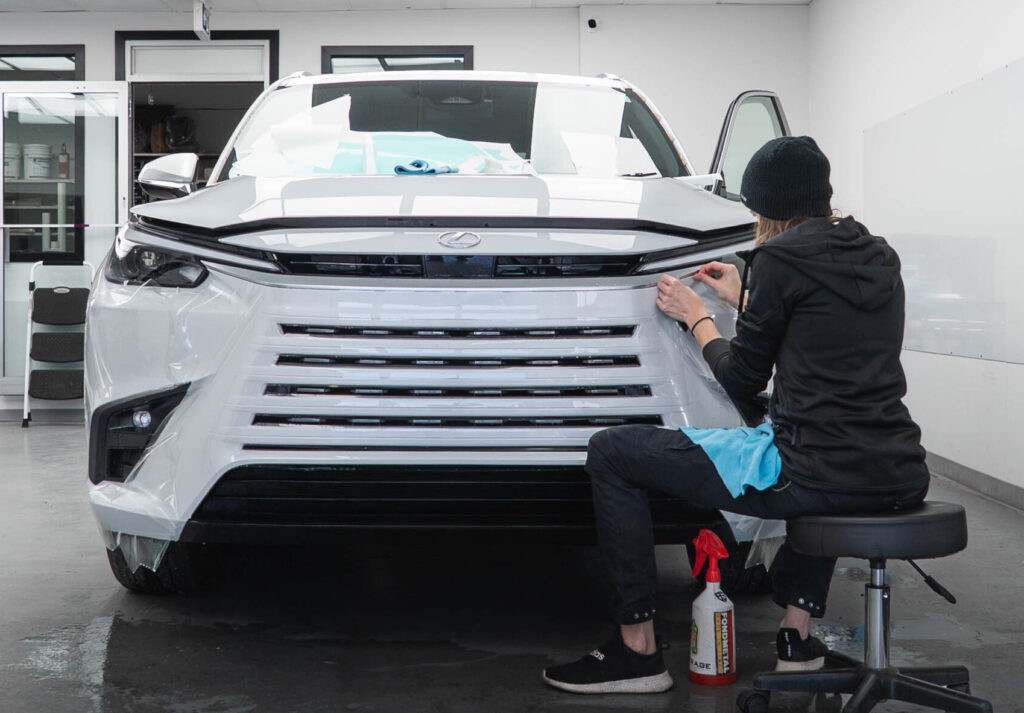
Paint protection film acts as a clear protective layer applied over the vehicle’s painted surfaces. Modern films are made from durable polyurethane that absorbs impacts from road debris and resists scratches, helping preserve the original paint underneath.
For drivers planning to keep their vehicles for several years (or simply maintain resale value ) PPF provides protection that traditional waxes or sealants cannot match.
Typical Paint Protection Film Warranty Length
Most high-quality paint protection films available today come with long-term warranties, and those warranties have gradually increased as film technology has improved.
It’s common to see PPF warranties ranging from 10 years, although some manufacturers now offer 12-year or even 15-year coverage depending on the product line. These longer warranties reflect advances in film materials, adhesives, and protective coatings.
However, the number of years on a warranty does not always mean the film will automatically perform perfectly for that entire period. Instead, the warranty ensures that the film meets certain performance standards and protects against specific issues related to the film itself.
Understanding what is covered (and what is not) is an important part of choosing the right protection for your vehicle.
Manufacturer Warranties: What They Actually Cover
The manufacturer’s warranty is the first level of protection included with paint protection film. This warranty comes directly from the film manufacturer and focuses specifically on the quality and performance of the material itself.
Manufacturer warranties typically cover issues such as:
Peeling
If the film begins to peel away from the surface due to a manufacturing defect in the adhesive or material, the warranty may apply.
Bubbling
Bubbles forming inside the film that are not related to installation can indicate a defect in the film layers or adhesive structure.
Cracking or Delamination
Over time, low-quality films may break down, causing the layers of the film to separate. A manufacturer’s warranty generally protects against this type of defect.
Yellowing
Some older or lower-quality films may discolor when exposed to UV light. High-quality modern films include UV inhibitors to prevent this, and warranties often cover abnormal yellowing.
In simple terms, the manufacturer’s warranty protects against problems caused by the film itself, not by the installation process or external damage.
Installer Warranties: The Other Half of Protection
While manufacturer warranties cover the material, professional installers often provide an additional warranty for their work.
This installer’s warranty addresses issues related to how the film was applied to the vehicle. Even the best film on the market will not perform properly if the installation is not done correctly.
Installer warranties typically cover things such as:
Lifting Edges
If film edges begin lifting prematurely due to installation technique, the installer can correct the issue.
Adhesion Problems
A film that fails to bond properly with the paint may indicate an installation problem rather than a manufacturing defect.
Installation Imperfections
Professional installers aim for precise alignment and smooth application. If problems appear over time due to installation, they can often be addressed under the installer’s warranty.
For drivers, this second warranty layer provides reassurance that both the product and the workmanship are supported.
Why Installation Quality Matters for Warranty Coverage
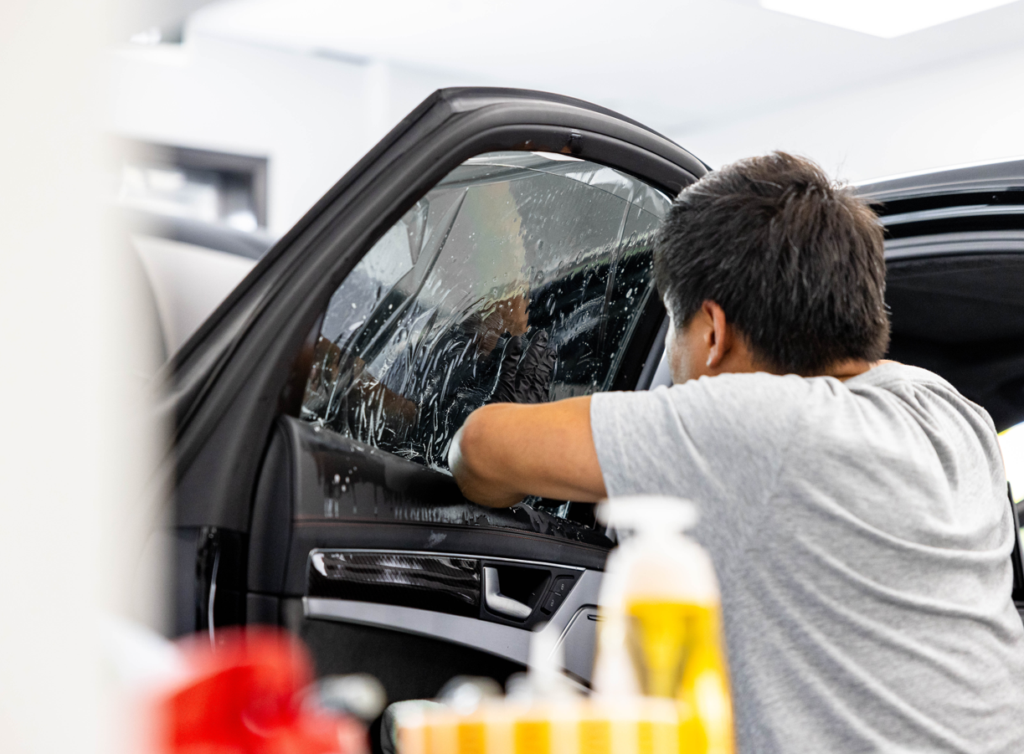
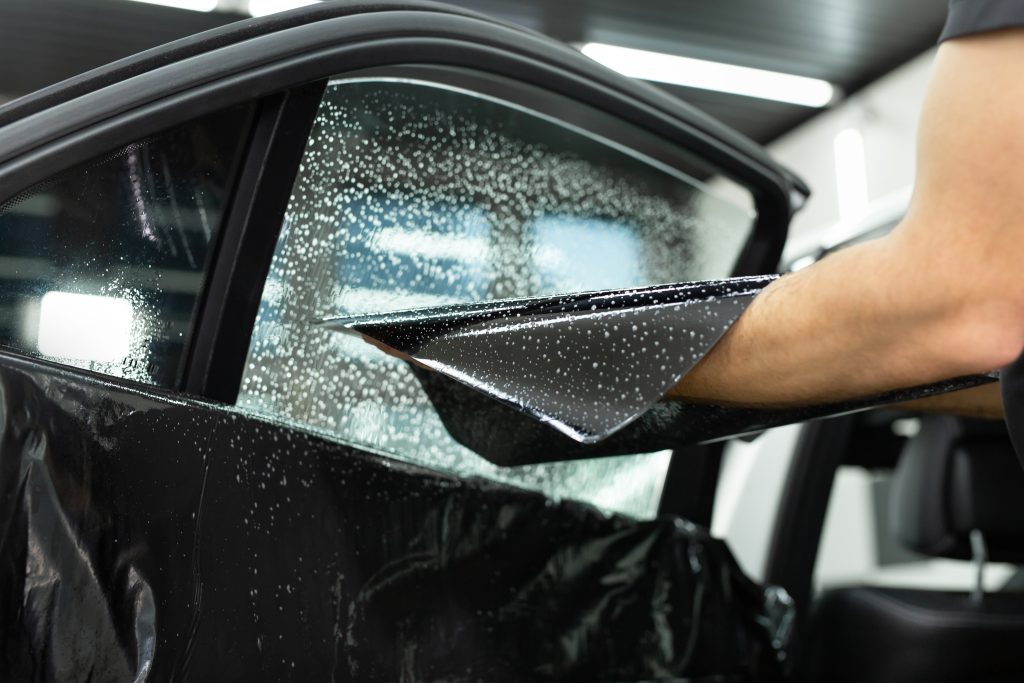
Paint protection film installation is a specialized process that requires training, precision, and controlled conditions. The vehicle’s paint must be carefully cleaned and prepared before the film is applied, and the installation environment should be free of dust or contaminants.
Small mistakes during installation—such as improper alignment or contamination under the film—can affect how well the film adheres over time.
This is why reputable installers stand behind their work. If issues like lifting or peeling appear due to installation factors, they can be corrected without requiring a full film replacement.
Choosing a qualified installer helps ensure that the film performs as intended and that warranty support is available if needed.
Factors That Affect the Longevity of PPF
Even with strong warranties, several real-world factors can influence how long paint protection film lasts on a vehicle in Calgary.
Driving Environment
Vehicles that frequently travel on highways or gravel roads are exposed to more debris and potential impacts. While PPF is designed to absorb these impacts, heavy use may eventually wear the film faster.
Climate Exposure
Calgary’s mix of snow, ice, summer sun, and fluctuating temperatures can affect exterior vehicle materials over time. High-quality PPF is designed to withstand these conditions, but regular maintenance still plays a role in longevity.
Maintenance and Care
Routine washing helps remove road salt, dirt, and contaminants that may accumulate on the film surface. Gentle cleaning methods and avoiding abrasive brushes can help preserve the protective top layer.
While warranties address defects, proper care helps maximize the lifespan of the film itself.
What Happens If Something Goes Wrong
If a problem appears with paint protection film (whether related to the material or installation) the process for addressing it is usually straightforward.
In many cases, the first step is simply documenting the issue. Installers may ask for a photo or recommend bringing the vehicle in for a quick inspection. Once the issue is evaluated, they can determine whether it falls under the manufacturer’s warranty or installation warranty.
If the problem is confirmed, the affected section of film can often be repaired or replaced without removing the entire installation.
This approach allows drivers to maintain their vehicle’s protection without unnecessary cost or downtime.
Choosing the Right PPF Option for Your Vehicle
Not every vehicle owner needs the same level of paint protection film coverage. Some drivers choose partial coverage on high-impact areas such as the hood, bumper, mirrors, and fenders, while others prefer full-body coverage for maximum protection.
Warranty length can also influence the type of film selected. Drivers planning to keep their vehicle long term may prefer a film with a longer warranty, while those leasing a vehicle might choose a shorter-term option.
The key is selecting a protection solution that aligns with how the vehicle is driven and how long the owner plans to keep it.
Why Understanding PPF Warranties Matters
For many Calgary drivers, paint protection film represents a significant investment in preserving their vehicle’s appearance and value.
Understanding how warranties work helps set realistic expectations and ensures drivers know exactly what type of protection they are receiving. When both manufacturer and installer warranties are in place, vehicle owners benefit from coverage that addresses both product quality and installation workmanship.
With the right film, proper installation, and basic care, paint protection film can provide years of reliable protection against the everyday hazards that vehicles face on Calgary roads.
Making the Most of Your Paint Protection Film Warranty
Paint protection film warranties can sometimes feel confusing at first, but the basic idea is straightforward: the manufacturer stands behind the quality of the film, while the installer stands behind the quality of the installation. Together, these warranties provide Calgary drivers with long-term protection and peace of mind.
Whether the film carries a 10-year, 12-year, or even 15-year warranty, the goal is the same, ensuring the film performs as expected and continues protecting the vehicle’s paint from everyday damage. When questions or concerns arise, professional installers can review the issue and help correct it so drivers can continue enjoying the benefits of paint protection film for years to come.
My Auto YYC – MY Auto – Ceramic Coating, PPF, Detailing & Sales
My Auto YYC is a Calgary-based automotive protection and detailing shop specializing in paint protection film, ceramic coating, and long-term vehicle preservation. Our team works with all vehicle types, helping drivers protect their investment from Calgary’s demanding road and weather conditions.
Address:
4115 Macleod Trl, Calgary, AB T2S 2P4
Phone:
(587) 441-4618
Hours:
Monday to Friday: 8:00am – 5:00pm
Saturday: 10:00am – 12:00pm
Sunday: Closed