Keeping Your Engine Running Smoothly With MY Auto YYC
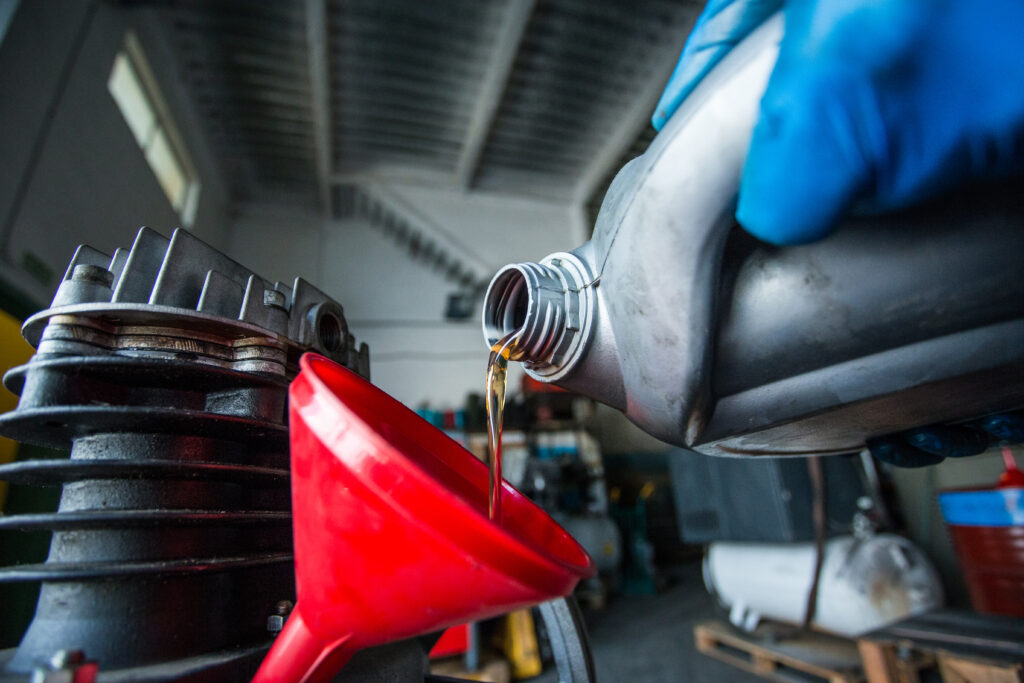
Regular oil changes help keep your engine running smoothly, reduce wear, and support long-term vehicle performance. However, the right interval depends on your vehicle, the type of oil it uses, and how you drive.
For Calgary drivers, cold winter starts, short trips, traffic, and changing road conditions can all affect maintenance needs. Following the correct oil change schedule helps protect your engine without spending money on service more often than necessary.
At MY Auto YYC, we offer oil changes and general vehicle maintenance to help Calgary drivers keep their vehicles in good condition. Here is what you should know about oil change intervals and when to book your next service.
How Often Do You Need an Oil Change?
Most vehicles should have their oil changed according to the manufacturer’s recommended mileage or time interval. Depending on the vehicle and driving conditions, this may be around every 5,000 to 15,000 kilometres, but that range is only a general guide, not a schedule that applies to every car.
Some newer vehicles can go longer between oil changes because of their engine design, oil specifications, and onboard maintenance monitoring systems. Others require more frequent service.
Check your owner’s manual or maintenance reminder to find the recommended interval for your vehicle. If your car uses an oil-life monitoring system, follow its instructions rather than relying only on a generic mileage estimate.
You should also consider the time between services. Some manufacturers specify an annual oil change even if you have not reached the recommended kilometre limit.
How Calgary’s Weather Affects Oil Changes
Calgary’s winter weather can influence how your engine operates, especially if you regularly drive in freezing temperatures.
When an engine is cold, the oil is thicker than it is at normal operating temperature. It takes time for the oil to circulate fully after starting, which is one reason repeated cold starts can contribute to engine wear.
Short trips can also make maintenance more demanding. If you drive only a few kilometres at a time, your engine may not stay warm long enough to evaporate accumulated moisture and other contaminants effectively.
Transport Canada recommends following your vehicle manufacturer’s maintenance schedule and keeping your vehicle in good working order for winter driving.
This does not mean every Calgary driver needs more frequent oil changes automatically. Instead, consider how you use your vehicle and check whether the manufacturer lists your driving habits under its severe-service maintenance schedule.
Does Your Driving Style Affect Oil Change Frequency?
Yes. Two drivers with the same vehicle may need different maintenance schedules because their driving conditions are different.
You may need more frequent oil changes if you regularly:
- Take short trips, especially during cold weather.
- Spend considerable time in stop-and-go traffic.
- Let your engine idle for extended periods.
- Drive on dusty or unpaved roads.
- Tow a trailer or carry heavy loads.
- Frequently drive in conditions the manufacturer classifies as severe.
For example, someone who regularly drives longer highway distances may experience different engine operating conditions than someone who makes several short trips around Calgary every day.
Check your owner’s manual for the manufacturer’s definition of severe driving conditions. If you are unsure which schedule applies to you, a mechanic can help you understand your vehicle’s requirements.
Conventional Oil vs. Synthetic Oil
The type of engine oil your vehicle requires also affects its service interval.
Conventional oil is suitable for some engines and may be less expensive per oil change. However, it may not meet the requirements of every modern vehicle.
Synthetic oil is engineered to provide specific performance characteristics, including protection across a range of temperatures. Depending on the formulation and vehicle requirements, it may support longer service intervals than some conventional oils.
Neither option is automatically right for every vehicle. Always use oil that meets the viscosity grade and performance specifications listed in your owner’s manual.
Using synthetic oil does not mean you can ignore maintenance reminders or extend the interval beyond the manufacturer’s recommendation. The engine design, oil specification, and driving conditions still matter.
Signs Your Car May Need an Oil Change
Your maintenance reminder is one of the best ways to track upcoming service, but there are other signs worth paying attention to.
- Your oil change is overdue. If you have reached the recommended mileage or time limit, arrange service rather than continuing to delay it.
- The oil pressure warning light comes on. This can indicate dangerously low oil pressure, not simply that an oil change is due. Safely stop the vehicle and shut off the engine as soon as possible. Continuing to drive may cause serious engine damage.
- You notice an oil leak. Oil spots under your parked vehicle or a falling oil level may indicate a leak that needs inspection. An oil change alone will not fix the underlying problem.
- Your engine sounds unusual. New knocking, ticking, or other abnormal engine noises can have several causes. Check the oil level if it is safe to do so, and arrange an inspection if the noise continues.
Dark oil alone is not a reliable reason to change your oil immediately. Oil naturally darkens as it circulates through the engine, so use the recommended service interval and maintenance information instead.
How to Keep Up With Oil Changes
Keeping track of oil changes is easier when you make maintenance part of your regular routine.
First, check your owner’s manual for the recommended oil specification and service interval. Keep a record of each oil change, including the date and odometer reading, so you know when the next service is approaching.
Check your oil level according to your owner’s manual, particularly before longer trips. If the level is low, use the correct oil and investigate any recurring loss rather than assuming a routine oil change will solve the issue.
You should also pay attention to maintenance reminders and avoid waiting until you notice an engine problem. Regular oil changes cannot prevent every mechanical issue, but they help maintain proper lubrication and support engine longevity.
Book an Oil Change in Calgary with MY Auto YYC
Knowing when to change your oil helps you maintain your vehicle and avoid unnecessary engine wear. The right schedule depends on your car’s requirements, oil type, and everyday driving conditions.
MY Auto YYC provides oil changes and general maintenance for a range of vehicles. Our team can help you understand your vehicle’s service needs and recommend maintenance based on its requirements.
If your oil change is due, or you are unsure which interval is right for your vehicle, contact MY Auto YYC to discuss your next service.
My Auto YYC – MY Auto – Ceramic Coating, PPF, Detailing & Sales
My Auto YYC is a Calgary-based automotive protection and detailing shop specializing in paint protection film, ceramic coating, and vehicle preservation.
Address:
4115 Macleod Trl, Calgary, AB T2S 2P4
Phone:
(587) 441-4618
Hours
Monday to Friday: 8:00am to 5:00pm
Saturday: 10:00am to 12:00pm
Sunday: Closed